
“Five participants surface about 85 percent of the problems a round can find. A thin research budget goes furthest when it buys iteration, a heuristic pass and the free WebAIM and Core Web Vitals data.
A thin budget buys repetition, not a larger sample
A research budget spent on one large study buys a document; the same money spent on three small rounds buys a decision.
Nielsen Norman Group's arithmetic has been published since 2012 and costs nothing to read: five users in a round, each one typically uncovering close to a third of the problems the round can reach.
What a five-user round actually delivers
The maths behind small rounds is public, which is why it survives every budget meeting. Nielsen Norman Group's 2000 explanation of the five-user rule reports that each participant typically uncovers about 31 percent of the problems in a flow, which is why five people together reach roughly 85 percent of everything a round can expose.
That number is a floor, not a law. The group's 2012 review of sample sizes by method puts a quantitative study at 20 participants or more, eye-tracking at 39, and card sorting at 15 or more for every group; it also records rounds of as few as two users on the cheapest projects, and an average of 11 participants per round in a survey of 217 practitioners.
Four numbers that decide the shape of the programme
5users
Size of a qualitative round in normal use
Nielsen Norman Group's review of sample sizes by method, 2012.
2users
The floor the same review allows for a low-overhead project
Method review, Nielsen Norman Group, 2012.
11participants
Average round size reported by 217 practitioners
Survey figure carried in the same review, Nielsen Norman Group, 2012.
85percent
Problems five users reach together, at an average per-person detection rate near 31 percent
Nielsen Norman Group, 2000.
The expensive myth of the single large study
The habit worth breaking is buying credibility by size: one study, fifteen or twenty participants, a thick appendix. Three rounds of five beat it, because a study that large repeats its own first hour many times while a later round tests a design that has already been repaired.
Budget follows the same logic. Five users is a recruiting problem before it is a research problem: the work is finding people who did the task this month, watching them use the live build, and shipping the fix before the next round is booked. Sample size is the part everyone negotiates; participant behaviour is the part that decides whether the round was worth running at all.
Three layers of method, cheapest first
Start with a heuristic pass
Evaluation against the ten heuristics is the cheapest structured method in the toolkit: three to five evaluators working independently, each pass capped at one or two hours, every finding tied to a named rule. Nielsen Norman Group documents the method, and its limit is declared honestly — a pass finds interface problems without a single participant, but it cannot tell you how often those problems occur.
Fix everything the pass finds that needs no participant, then spend the round on what is left. That order stops a paid session from being used to discover a missing form label.
Then five users on the live product
A moderated round of five on the build people actually use. The working estimate is simple: five participants reach roughly 85 percent of what a round can find, at an average per-person detection rate near 31 percent, and the next round runs against the repaired design rather than the original one.
Watch the sessions live and write while you watch. The recording is evidence for people who were not in the room; the live session is where you decide what to fix.
Free instruments, read monthly
Automated accessibility scanning and field performance data run on every release, cost nothing per round and behave like a monthly inspection rather than a study. WebAIM's 2026 scan of one million home pages found detected WCAG 2 failures on 95.9 percent of them, at an average of 56.1 errors per page.
The Core Web Vitals thresholds are equally public: a page is rated good at the 75th percentile of real visits. Neither instrument replaces a participant, and both catch what a participant would never mention.
Where the money works, and where it disappears
What works
- Three rounds of five, booked against the live build and spaced by releases.
- A heuristic pass with three to five evaluators, each pass held to two hours.
- Monthly automated scans and field data, read by a person whose name is in the contract.
What does not
- One study of fifteen or twenty participants, bought instead of a second round.
- Eye-tracking before the flow has settled; eye-tracking is sized at 39 participants.
- Recruiting for demographics when the question is about behaviour.
The instruments you already pay for and do not read
Two free datasets catch problems that no session would ever be booked for. Automated scanning flags contrast, missing labels and structure on every deploy, and field data shows what real visits experienced rather than what a laptop in an office experienced. Neither one replaces a user, and both are cheaper than the meeting where someone argues that a problem is rare.
Response time is the oldest instrument of all. Nielsen Norman Group's 1993 limits still describe what a slow screen costs: a tenth of a second reads as instant, one second keeps a person's flow intact, and ten seconds is the edge of attention; past that point the interface owes the user a progress indicator rather than patience.
A research cadence that fits a thin budget
-
01
Recruit behaviour, not demographics
Pick five people who completed the task during the past month, not five who match a persona. The round is only as good as the behaviour in the room, and a panel recruited for age and city will happily discuss a product they have never used.
-
02
Run the heuristic pass before booking anyone
Three to five evaluators, passes of one or two hours, findings written as problems rather than missing features. Fix what needs no participant, then spend the round on the questions that only a participant can answer.
-
03
Watch five users live, then ship a fix
Book the round against the current build, attend every session, and have the fixes scheduled before the next round is booked. A round whose findings enter a backlog unchanged is a round the team has already decided to ignore.
-
04
Put the free instruments on a monthly loop
Automated scans and field vitals, reviewed in a fifteen-minute meeting with a named owner. A dashboard nobody opens is a subscription, not a process.
What observation looks like
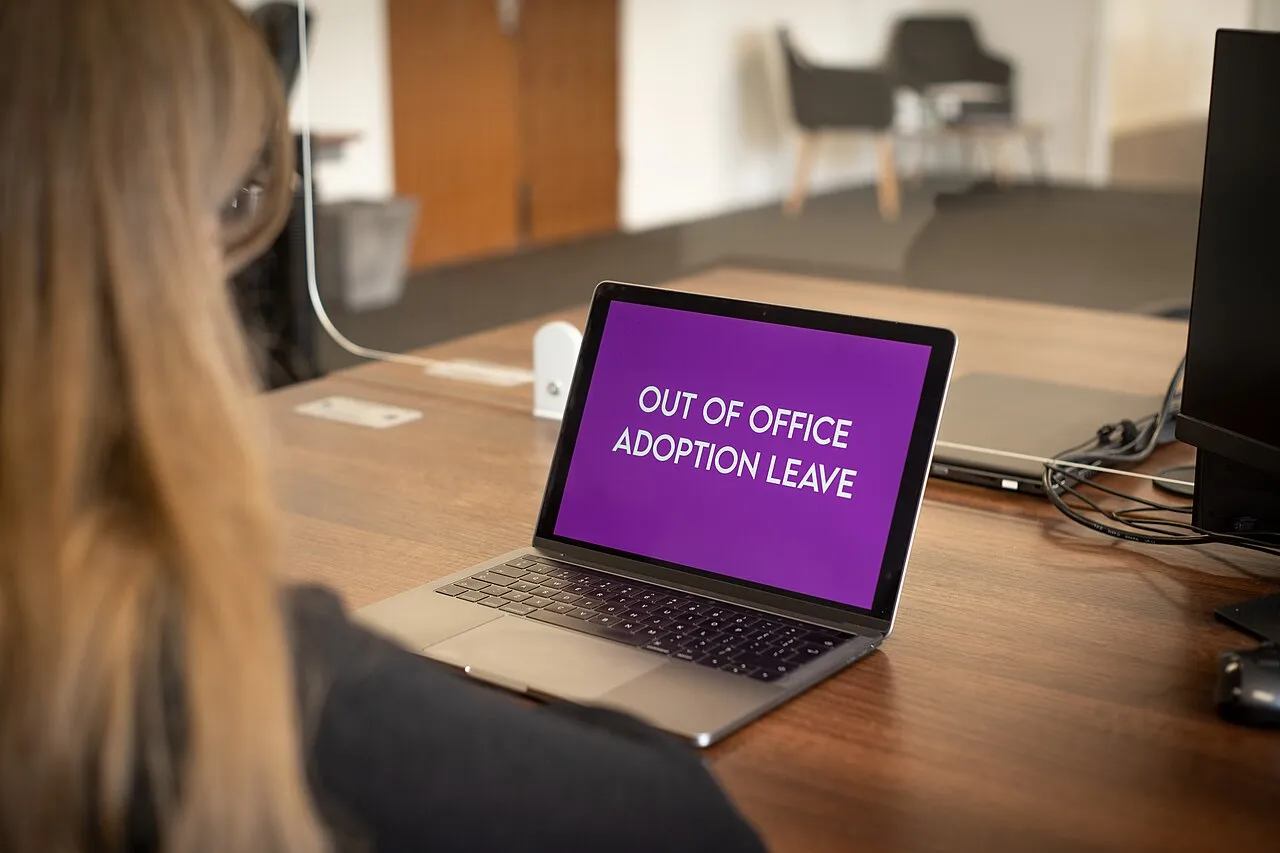
A testing programme is mostly sitting still and writing down what happened. The three photographs below are about the surfaces the method depends on: notes on paper, a device used by touch, and a calendar that decides whether anyone can attend at all.


What to do with this on Monday
- Run the first round at five participants on the live build.Five people reach roughly 85 percent of what a round can find, at an average per-person detection rate near 31 percent (Nielsen Norman Group, 2000).
- Book repetition rather than a bigger sample.Three rounds of five out-find a single study of fifteen, because each round tests a repaired design instead of repeating the first one.
- Open with the method that needs no participants.A heuristic pass uses three to five evaluators and one or two hours per pass (Nielsen Norman Group, 2023).
- Size the study to the method, not to habit.Quantitative work starts at 20 participants, card sorting at 15 per group and eye-tracking at 39 (Nielsen Norman Group, 2012).
- Read the free scans every month.WebAIM's 2026 scan of a million home pages found detected WCAG 2 failures on 95.9 percent of them, at an average of 56.1 errors per page.
- Publish the response-time limits next to the design.A tenth of a second reads as instant, one second keeps the flow, and ten seconds is where a progress indicator stops being optional (Nielsen Norman Group, 1993).
Sources
- How Many Test Users in a Usability Study? — Nielsen Norman Group, 2012
- Why You Only Need to Test with 5 Users — Nielsen Norman Group, 2000
- How to Conduct a Heuristic Evaluation — Nielsen Norman Group, 2023
- The WebAIM Million: the 2026 report on the accessibility of the top home pages — WebAIM, 2026
- Web Vitals — web.dev, 2024
- Response Times: The 3 Important Limits — Nielsen Norman Group, 1993