
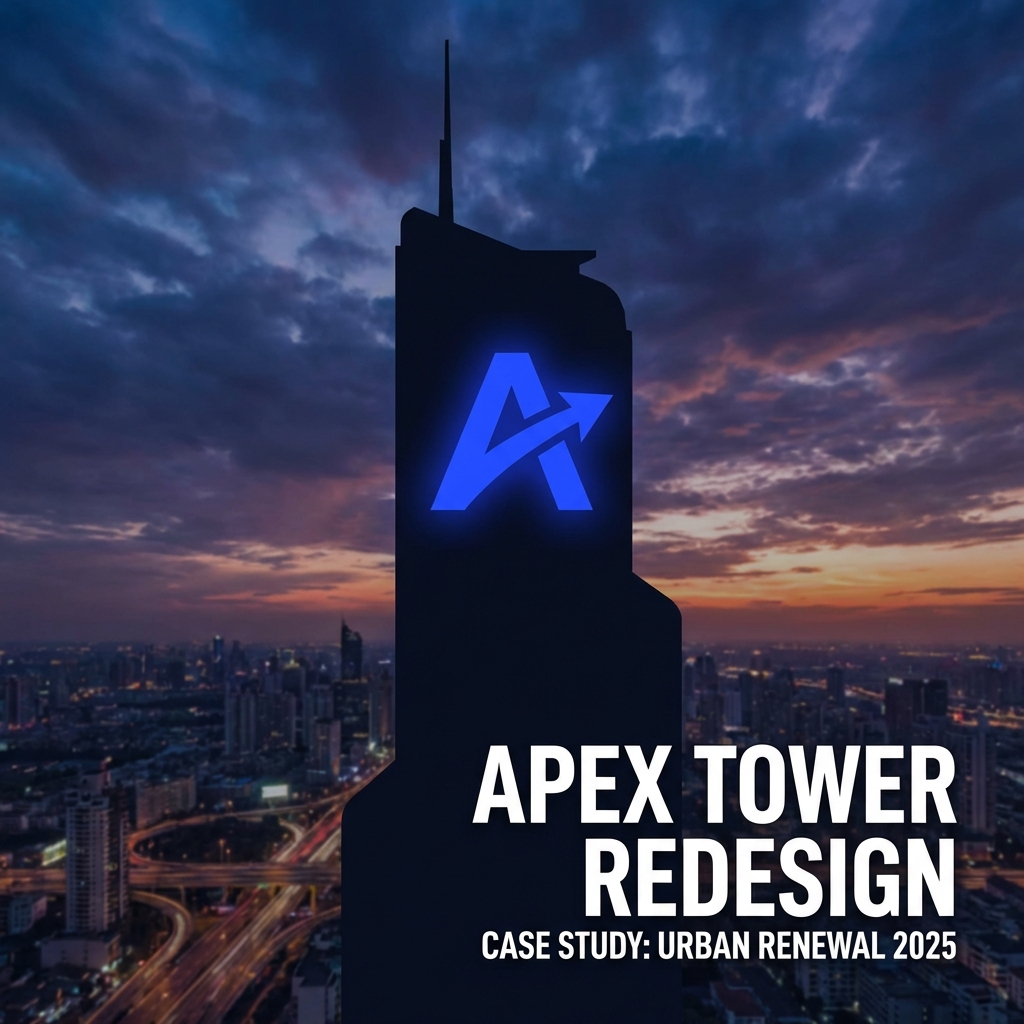
“A property render can communicate a future design clearly, but its visual realism can hide the difference between a completed asset and a proposal. Advertising permission and truthful asset description need separate attention. This article offers an original disclosure framework for brochures, landing pages and presentation decks.
A property render can communicate a future design clearly, but its visual realism can hide the difference between a completed asset and a proposal. Advertising permission and truthful asset description need separate attention. This article offers an original disclosure framework for brochures, landing pages and presentation decks.
Classify every public image
Separate current photographs, approved-design renders and purely illustrative mood images. Give each a description that matches its role. The Dubai advertising service is a reference for permit categories, not blanket approval of all visual claims. Check the applicable requirements for the actual market and asset before releasing an image-led campaign.
Explain future elements near the image
If an amenity is planned rather than available, say so where the viewer sees it. A disclosure buried in a general terms page may not travel with a shared image. Keep the wording clear about the status of landscaping, furnishings, finishes and facilities, and have the responsible project team approve the description.
Match the render to the approved record
Review whether the visual corresponds to the appropriate design revision. A beautiful older render may contradict current plans or specifications. Keep the approval date and revision identifier in the production record. When a design changes, identify which public assets depend on it rather than assuming an attractive image can remain indefinitely.
Check the message after export
A cropped social image, a printed page and a mobile screen can each remove or obscure the relevant qualification. Review the final formats, not only the master design. This proposed process supports truthful communication; it does not guarantee regulatory acceptance or prove that a depicted future facility will be delivered exactly as shown.
Review an image-only social share
Test the render as if a viewer encountered only the image outside the property page. The status disclosure should still explain whether the scene is current, planned or illustrative. If it cannot fit safely, revise the distribution format rather than depending on an unseen footnote. The important question is what the actual audience can reasonably understand from the material it receives.
Sources and review date
Primary sources reviewed on 6 October 2026: Dubai real estate advertisement permit service.
Your next practical step
Build an image register that records status, design revision, approved caption and every public export that uses the image. Explore the relevant Gameel service to turn the approved brief into clear public communication.