
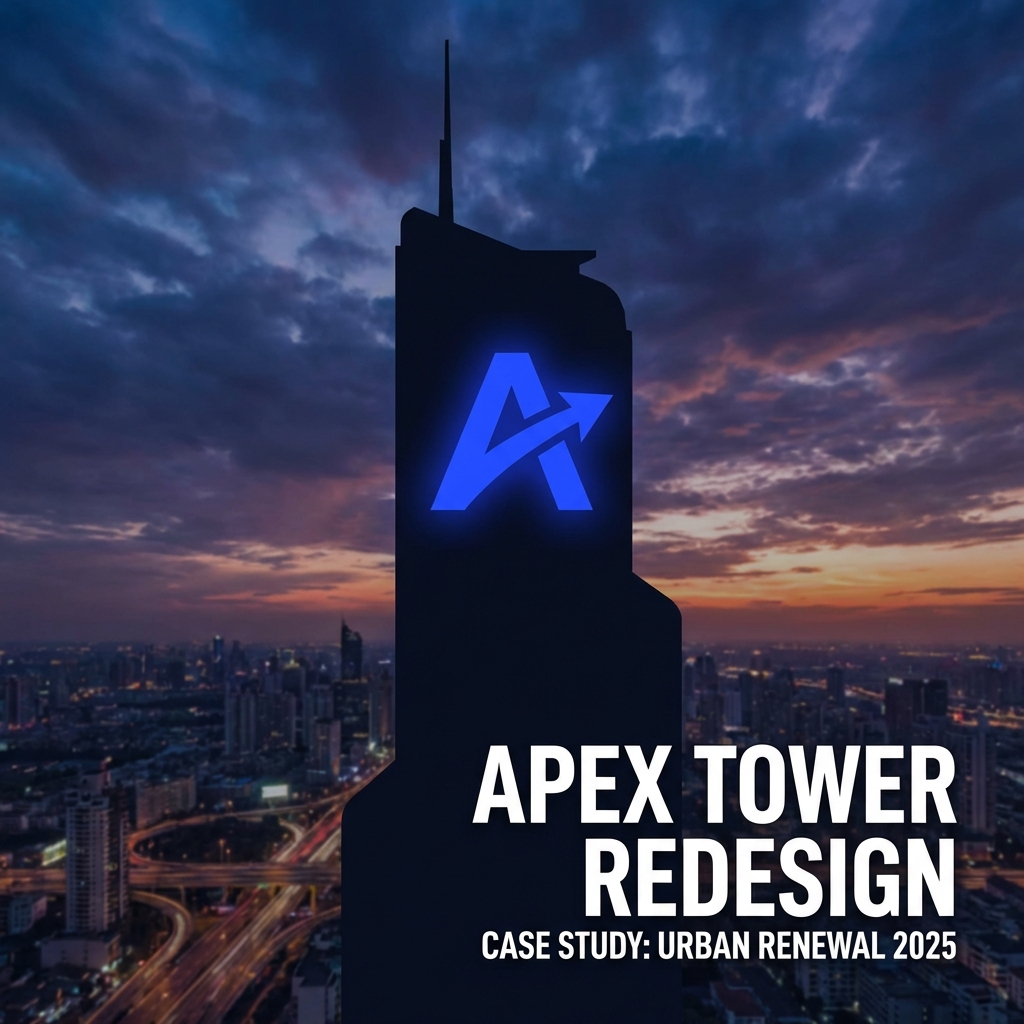
“A property launch teaser can introduce a verified concept while clearly signalling that further details will follow. Do not fill information gaps with implied amenities, invented scarcity or precise dates that are not approved. Give the audience a meaningful subject and an accurate reason to stay informed.
A property launch teaser can introduce a verified concept while clearly signalling that further details will follow. Do not fill information gaps with implied amenities, invented scarcity or precise dates that are not approved. Give the audience a meaningful subject and an accurate reason to stay informed.
Define what is ready to communicate
Create a readiness list for the project name, location description, design concept and publication timing. Identify who approves each item. Separate facts that are ready from details still under review, so the creative team does not infer a complete offer from preliminary visual material.
Maintain an evidence sheet alongside the creative brief.
Choose curiosity with a clear subject
Use one clear idea in the teaser and a useful destination for updates. The destination should state the current stage and what a subscriber can expect. A dramatic headline without enough context may attract curiosity but leave people uncertain whether the offer is relevant.
A hypothetical working example
Hypothetical example: a residential project has an approved name and courtyard concept, while unit information remains pending. The teaser introduces the place and design direction. Its update page explains that detailed project information will be released after confirmation, without suggesting reservations are already open.
Keep the destination honest
Checklist: verify published facts, label proposed imagery, confirm the update contact and review timing language. Check the teaser as a standalone screenshot. Essential context should survive cropping and forwarding rather than depending on a caption that may not travel with the image.
Build the distribution plan before finalising the layout.
Avoid fabricated urgency
A highly abstract teaser can build atmosphere and obscure the offer. A detailed announcement provides clarity and may reveal information before the team is ready to maintain it. Choose the amount of detail based on verified readiness, not an assumed need to appear mysterious.
Review the promise before each release
Review every teaser phase against the current information sheet. Replace outdated timing promptly. Assess whether readers understand the subject and update purpose; do not treat a large response to ambiguity as proof that the campaign generated relevant property interest.
A useful copy test removes all dramatic adjectives and asks what remains. If the answer is only a date and an unexplained symbol, add a truthful subject. The teaser should give curious readers enough information to decide whether following the launch is a sensible use of their attention.
To translate these decisions into a coherent working system, explore Gameel property marketing and campaign design services. Share the audience brief, available evidence and intended deliverables so the scope reflects the actual problem.