
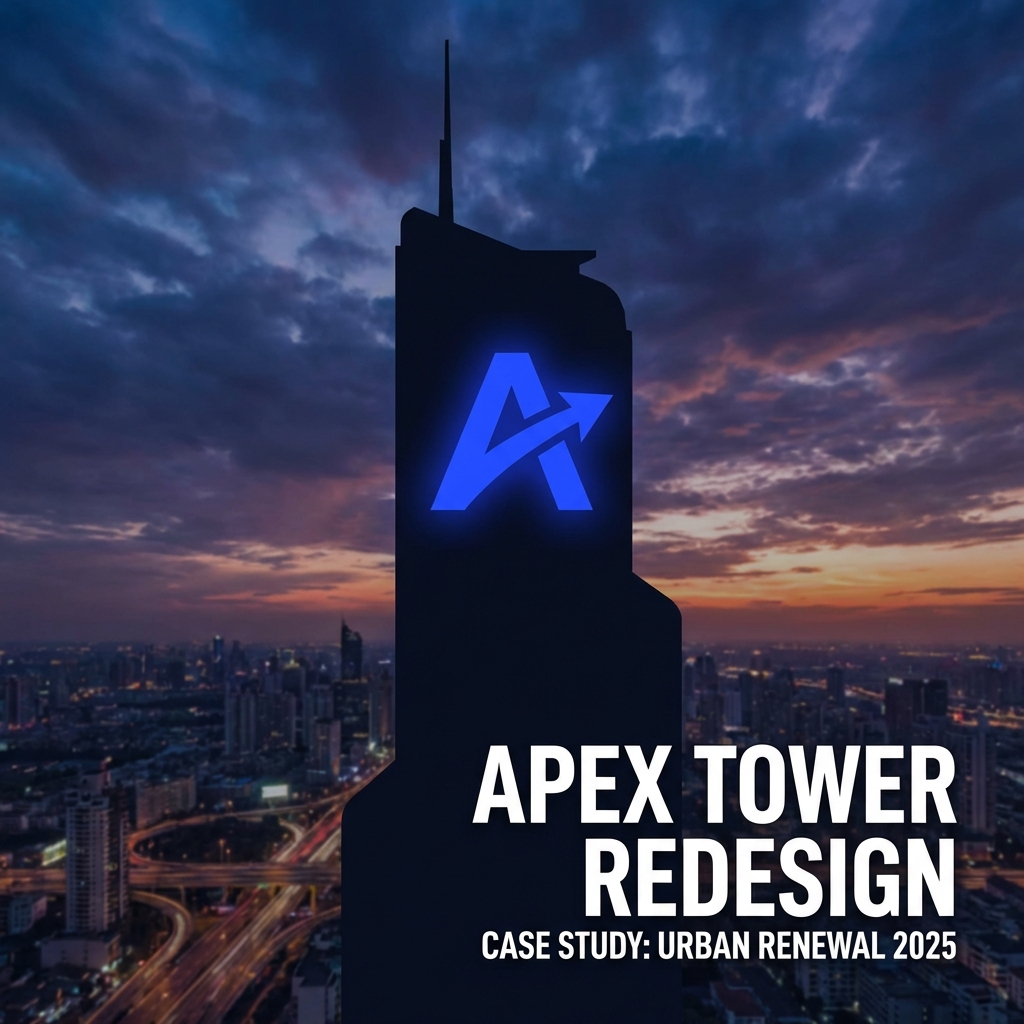
“A property launch press kit should give editors accurate project context, usable images and clear source contacts. It is a working information resource, not only a sales presentation. Label asset status and permissions so an image can be understood correctly when published outside the launch campaign.
A property launch press kit should give editors accurate project context, usable images and clear source contacts. It is a working information resource, not only a sales presentation. Label asset status and permissions so an image can be understood correctly when published outside the launch campaign.
Separate project facts from campaign language
Prepare a factual project summary with approved names, current stage and relevant design context. Keep promotional adjectives separate from information an editor can verify. Identify who can answer further questions and which facts remain pending, rather than concealing uncertainty in a polished layout.
Maintain an evidence sheet alongside the creative brief.
Provide accurate captions and credits
Provide a selective image set with captions, credits, status and permitted use details from the responsible owner. Distinguish visualisations from actual photographs. Include enough context for a standalone image, because an editor may not publish the surrounding brochure explanation.
A hypothetical working example
Hypothetical example: a developer sends a kit containing a contextual project visualisation, an approved design detail and a concise fact sheet. Each image has a clear role and source. The kit does not fabricate media quotes or imply that a publication has already endorsed the project.
Offer a concise visual selection
Checklist: confirm facts, image rights, captions, credits, source contacts and publication-ready files. Keep a current reference for updates. Review whether an editor can identify the project and asset status from one exported image and its accompanying caption alone.
Build the distribution plan before finalising the layout.
Avoid assuming editorial endorsement
A large kit provides options and can bury the useful assets. A very small one is easy to navigate and may not support different editorial needs. Offer a concise starter selection with optional deeper material, organised by purpose rather than an unexplained folder of every creative export.
Review the kit outside the sales deck
Review questions received from editors and improve recurring missing context. Correct outdated materials promptly through the established distribution process. Do not equate distribution with coverage or suggest that a press kit guarantees publication; the direct objective is reliable, usable information.
A practical test asks a colleague to draft a neutral image caption using only the kit. Compare it with the approved facts. If they infer a completed feature from a proposed render, the kit needs clearer labels. This protects the story when the assets travel beyond the team that originally produced them.
To translate these decisions into a coherent working system, explore Gameel property marketing and campaign design services. Share the audience brief, available evidence and intended deliverables so the scope reflects the actual problem.