
“A coming-soon property page should identify the project, explain its current stage and offer a transparent way to receive future information. It can be visually expressive while answering basic questions. Avoid a blank cinematic screen that asks for personal details before providing meaningful context.
A coming-soon property page should identify the project, explain its current stage and offer a transparent way to receive future information. It can be visually expressive while answering basic questions. Avoid a blank cinematic screen that asks for personal details before providing meaningful context.
State the launch stage clearly
Start with the approved project name, a suitable location description and a concise concept explanation. State which details are still being prepared. Keep the wording current as the launch develops, so a page designed for an early teaser does not remain ambiguous after information becomes available.
Treat the asset as one part of a longer conversation.
Show verified context first
Explain what the update request is for and who will handle it. Ask only for information needed at this stage. The confirmation should repeat the purpose and next expectation, rather than introducing an unexpected sales promise or a new obligation after submission.
A hypothetical working example
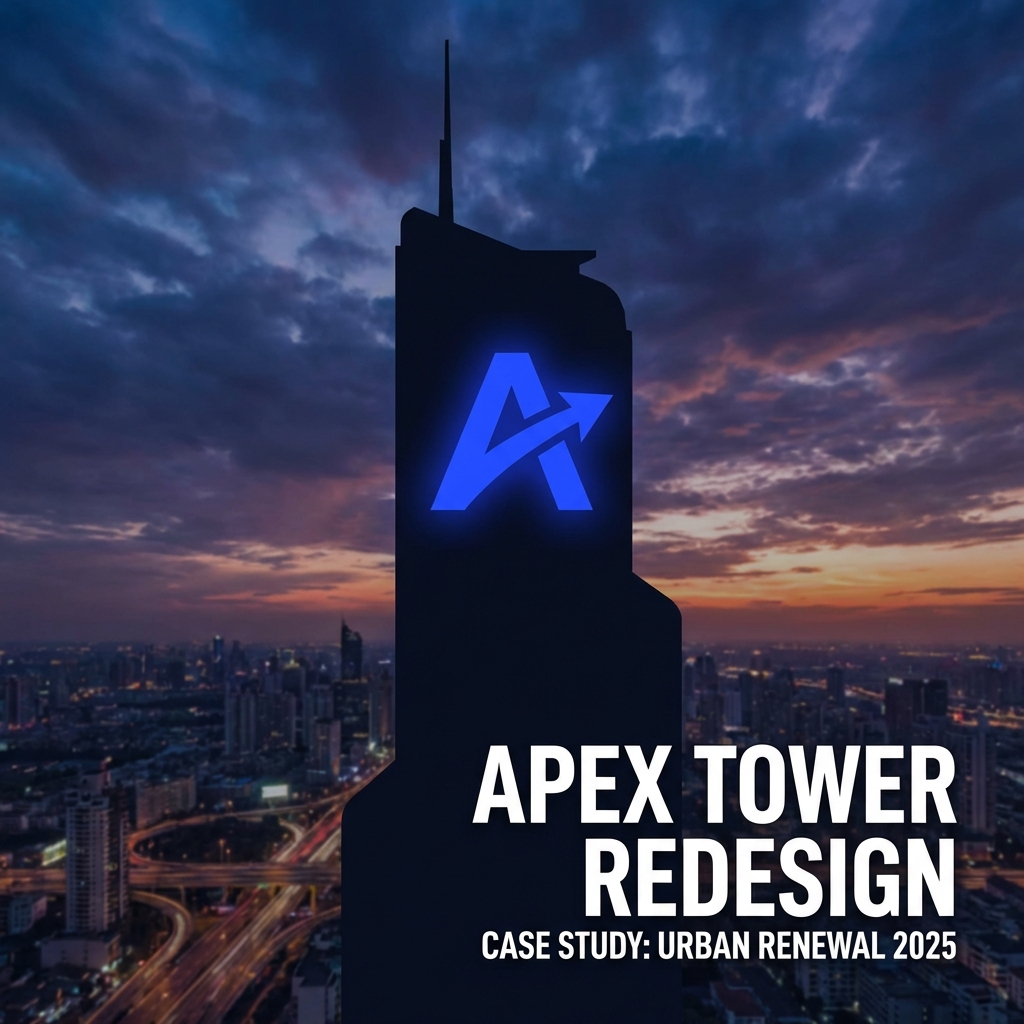
Hypothetical example: a project page introduces a verified community concept and a labelled architectural visualisation. It invites visitors to receive the detailed launch presentation when ready. The page provides a current enquiry contact for questions without implying that every future detail has already been settled.
Explain the update request
Checklist: confirm project identification, current stage, image labels, request purpose and contact information. Review the small-screen layout with real copy. Ensure a reader can understand the offer and choose the next step even before interacting with a form.
Check legibility under imperfect viewing conditions.
Keep proposed assets distinguishable
An immersive page can communicate atmosphere and slow basic understanding when effects dominate. A plain information page can be efficient and miss the project’s character. Use a deliberate visual opening followed by concise factual content and a clearly described action.
Review the page as a first visit
Review the page after each information release and replace the early-stage wording. Ask visitors to explain what is known now and what will arrive later. The distinction should be clear without a salesperson having to repair an overly vague introduction.
Create a sample confirmation message before finalising the form. It should describe the requested communication in the same language as the page. If the confirmation reveals information that should have appeared earlier, move that information into the visible page so the visitor can make an informed choice.
To translate these decisions into a coherent working system, explore Gameel property marketing and campaign design services. Share the audience brief, available evidence and intended deliverables so the scope reflects the actual problem.