
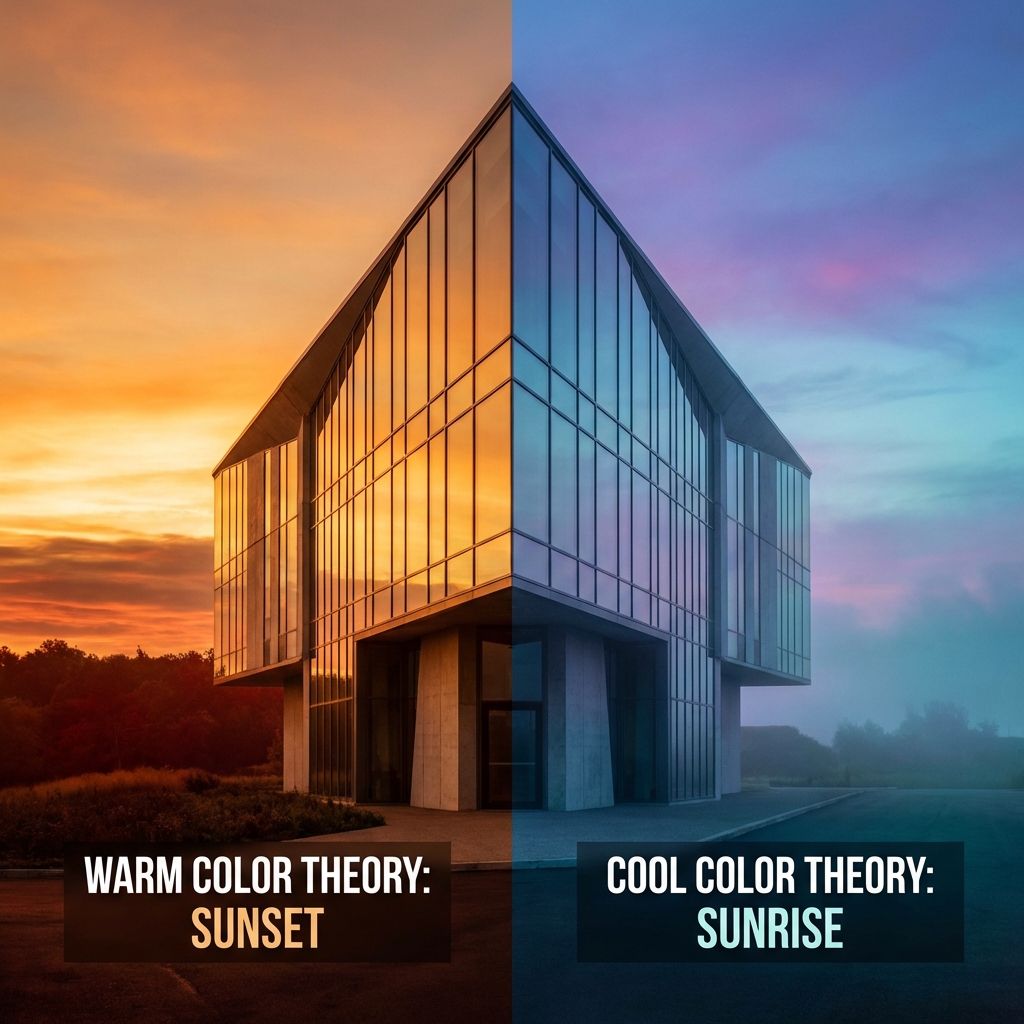
“Discover how luxury real estate companies build powerful brand identities that command premium prices and attract ultra-high-net-worth buyers. Learn the psychology, design principles, and strategies that separate iconic property brands from forgettable listings.
The Complete Guide to Luxury Real Estate Branding in 2026
In the world of luxury real estate, properties don't just sell themselves—they sell through stories, identities, and the gravitational pull of a brand that whispers exclusivity before a single word is exchanged. When a prospective buyer walks past a Sotheby's International Realty window or scrolls through a Corcoran listing, they aren't just seeing square footage and bedroom counts. They're experiencing the culmination of decades of brand architecture, color psychology, typography decisions, and strategic positioning that transforms a transaction into an aspiration.
This is the invisible machinery of luxury real estate branding. And in 2026, as digital-first impressions increasingly dominate the buyer journey, understanding how to build, maintain, and evolve a luxury property brand has never been more critical.
Why Branding Separates Luxury from Ordinary
The difference between a $2 million property and a $20 million property rarely comes down to construction materials or square footage alone. The premium multiplier—the intangible factor that commands tenfold prices for properties of comparable physical utility—is almost entirely a function of branding.
Consider this: A penthouse in an unbranded building sells on comparables, neighborhood data, and logical analysis. A penthouse in a building branded by a world-class architectural firm, positioned through a narrative of exclusivity, and marketed with a visual identity that signals generational wealth—this property sells on desire, status, and the promise of identity transformation.
The buyer of a luxury property isn't purchasing shelter. They're purchasing a projection of who they are—or who they aspire to become. Your brand is the mirror that shows them that reflection.
In 2026, the competitive landscape for luxury real estate has intensified dramatically. New developments launch with immersive digital experiences. International buyers browse from Dubai, Singapore, and London. Social media has democratized the visual language of luxury, raising the baseline expectation for every brand touchpoint. In this environment, a generic brand doesn't just underperform—it actively repels the discerning buyer who can detect inauthenticity from a single scroll.
The Psychology of Luxury Real Estate Branding
Understanding the psychology of your buyer is the foundation of every branding decision you'll make. Ultra-high-net-worth individuals (UHNWIs) exhibit specific psychological patterns that differ dramatically from mass-market consumers.
The Scarcity Principle and Exclusivity
Luxury buyers are paradoxically motivated by scarcity. While conventional marketing emphasizes abundance—"plenty of inventory," "something for everyone"—luxury real estate branding must communicate deliberate limitation. The world's most prestigious properties are defined by what they exclude, not what they include.
Your branding should communicate that not everyone qualifies. This isn't about snobbery; it's about the psychological reality that value increases with perceived exclusivity. Language that signals selectivity—"private collection," "by invitation," "curated portfolio"—activates the scarcity response that drives luxury purchasing behavior.
Status Signaling and Identity Projection
Luxury properties function as social signals. When a buyer purchases a branded residence, they're making a statement about their position in the social hierarchy. Your brand must provide the vocabulary for this statement.
This means your visual identity, tone of voice, and brand narrative must be sophisticated enough to satisfy the buyer's need for status differentiation. A brand that feels accessible to the merely affluent will be rejected by the truly wealthy, who require distinction from the aspirational class.
Trust and the Parasympathetic Response
UHNWIs have developed acute defense mechanisms against manipulation. They've encountered every sales tactic, every pressure technique, every manufactured urgency. Your branding must bypass these defenses by creating a parasympathetic response—calm, trust, and the feeling that this brand understands their world without needing to prove it.
This is why the most successful luxury real estate brands use restraint rather than hype. They whisper instead of shout. They show rather than tell. The confidence of a brand that doesn't need to oversell is itself the most powerful selling tool.
The Generational Wealth Perspective
Buyers of $10M+ properties often come from families where wealth has existed for multiple generations. These buyers evaluate brands through the lens of heritage, authenticity, and timelessness. A brand that feels trendy or gimmicky will trigger skepticism.
Your branding must balance modernity with permanence. It should feel relevant to contemporary life while suggesting it will endure for decades. This is the tension at the heart of luxury real estate branding: innovation within a framework of tradition.
Essential Brand Elements for High-End Property Companies
A luxury real estate brand is not a logo. It is an ecosystem of coordinated elements that together create a unified impression of excellence. Here are the non-negotiable components:
1. Brand Positioning Statement
Before any visual design begins, you must define your position. Who do you serve? What do you offer that no competitor can replicate? Why should a buyer trust you with a transaction involving generational wealth?
Your positioning statement should be brutally specific. "We sell luxury homes" is not positioning. "We represent architecturally significant properties in coastal Mediterranean markets for collectors who value provenance over convenience" is positioning. The more specific your position, the more valuable your brand becomes to your target audience.
2. Brand Narrative and Origin Story
Every luxury brand has a story. Even if your company is new, your narrative should connect to something deeper than founding dates and revenue goals. What problem did you set out to solve? What frustration with existing luxury real estate experiences drove your creation?
The most compelling brand narratives in real estate focus on the gap between what buyers deserve and what the market provides. Perhaps you noticed that international buyers were underserved. Perhaps you saw that technology was disrupting the traditional luxury experience. Perhaps you believed that properties with architectural significance deserved representation by people who understood design history.
Your story doesn't need to be dramatic. It needs to be authentic and specific.
3. Tone of Voice and Language Architecture
The words you use are as important as the images you show. Luxury real estate requires a distinctive vocabulary that signals sophistication without pretension.
Create a brand language guide that defines:
- Words you use: Residence, estate, collection, curated, bespoke, artisanal, envisioned
- Words you avoid: House, cheap, deal, bargain, affordable, motivated seller, quick sale
- Sentence structure: Favor complex sentences with subordinate clauses. Use rhythm and cadence. Avoid bullet points in narrative contexts.
- Emotional register: Confident, knowledgeable, understated, observant. Never desperate, excited, or salesy.
4. Visual Identity System
Your visual identity extends far beyond a logo. It encompasses every visual element that represents your brand:
Logo: Should be timeless, legible at small sizes, and meaningful in monochrome. Luxury real estate logos often use monograms, abstract marks, or refined wordmarks. Avoid gimmicky symbols that will date quickly.
Color Palette: See the detailed section below on color psychology.
Typography: Primary typeface should be elegant and readable. Consider custom or exclusive typefaces for maximum differentiation. Secondary typefaces for body text should complement without competing.
Photography Style: Define your photographic aesthetic—lighting, composition, color grading, subject matter. All property photography should be instantly identifiable as yours.
Graphic Elements: Patterns, textures, and supporting graphics that add depth without clutter.
Motion and Animation: Define how your brand moves in digital environments. Slow, deliberate transitions. Elegant reveals. Never flashy or frantic.
5. Digital Experience Architecture
In 2026, your website is your flagship showroom. It must embody the same standards of excellence as your physical properties.
Key principles for luxury real estate digital branding:
- Loading speed: Luxury buyers won't tolerate slow sites. Sub-2-second load times are mandatory.
- Mobile experience: More than 60% of luxury property browsing happens on mobile devices. Thumb-friendly navigation without sacrificing elegance.
- Property presentation: Full-bleed imagery. Minimal chrome. Let the properties be the heroes.
- Search functionality: Sophisticated filtering by architectural style, view type, amenity categories—not just beds and baths.
- Content depth: Beyond listings, provide neighborhood insights, market analysis, architectural history, and lifestyle content that demonstrates your expertise.
6. Physical Brand Touchpoints
Despite digital dominance, physical brand elements remain critical in luxury real estate:
- Business cards: Heavy stock. Letterpress or foil. Tactile luxury that signals substance.
- Presentation materials: Custom folders, property brochures, market reports. Each piece should be a collectible object.
- Office environment: Your physical space should embody your brand promise. If you claim sophistication, your office must deliver it through architecture, furniture, art, and lighting.
- Vehicle fleet: If you provide transportation, vehicles should align with brand positioning.
- Staff appearance: Dress code, grooming standards, and accessories that extend the brand identity into human interaction.
Color Psychology in Luxury Real Estate
Color selection in luxury real estate branding is not a matter of preference. It is a strategic decision that triggers specific psychological responses. Here's how the most successful luxury brands use color:
Black: The Color of Absolute Authority
Black absorbs all light, making it the color of ultimate sophistication. In luxury real estate, black signals exclusivity, power, and the absence of compromise.
Best for: Brands targeting established wealth, architectural minimalism, urban luxury markets. Works exceptionally well for brands with a modern, gallery-like aesthetic.
Use with caution: Too much black can feel cold or intimidating. Balance with warm metallics or creamy neutrals.
Iconic example: Black backgrounds with gold or white typography create the visual language of couture and high finance—immediately transferable to luxury property.
Gold and Champagne: Warmth and Celebration
Gold has been the universal signifier of wealth for millennia. In branding, it signals achievement, permanence, and aspiration.
Best for: Brands with heritage positioning, new development launches, properties with sunset or warm-climate associations.
Use with caution: Metallic gold can look cheap in digital environments if not rendered properly. Use champagne, bronze, or copper tones for more sophisticated warmth.
Iconic example: Gold paired with deep navy or forest green creates the aesthetic of private banking and established clubs—perfect for legacy properties.
Navy and Midnight Blue: Trust and Depth
Blue is the most trusted color in Western culture. Deep navy suggests authority, stability, and intellectual depth. It lacks the aggression of black while maintaining gravitas.
Best for: Brands emphasizing advisory expertise, market knowledge, and long-term relationships. Popular in coastal and nautical markets.
Use with caution: Navy can feel conservative. Pair with unexpected accent colors or modern typography to avoid stuffiness.
Iconic example: Midnight blue with silver and crisp white creates the aesthetic of yachting culture and coastal sophistication.
White and Cream: Clarity and Space
White signals purity, clarity, and infinite possibility. In luxury real estate, it suggests the blank canvas of a new property or the pristine perfection of curated spaces.
Best for: Brands emphasizing architectural minimalism, Scandinavian design, or modernist aesthetics. Particularly effective in photography-dominated brands.
Use with caution: Pure white can feel sterile. Warm whites and creams add sophistication and approachability.
Iconic example: White space with black typography and single accent color creates the gallery aesthetic that elevates property photography.
Emerald and Forest Green: Nature and Legacy
Green connects to nature, growth, and environmental consciousness. Deep greens specifically suggest old money, golf courses, and established estates.
Best for: Brands specializing in country estates, golf communities, sustainable luxury, and properties with significant land.
Use with caution: Bright greens can feel cheap or commercial. Stick to deep, muted, or sage tones.
Iconic example: Forest green with brass and ivory creates the aesthetic of traditional country clubs and historic estates.
Burgundy and Wine: Intimacy and Rarity
Burgundy is the color of rare wine, leather-bound libraries, and intimate luxury. It suggests warmth, discernment, and the pleasure of connoisseurship.
Best for: Brands targeting collectors, art-focused properties, and intimate boutique developments.
Use with caution: Burgundy can feel dated if paired with the wrong colors. Keep it sophisticated with cream, charcoal, or navy.
Iconic example: Burgundy with gold and cream creates the aesthetic of private membership and wine culture.
Typography Choices for Premium Property Brands
Typography is the voice of your brand in visual form. The fonts you choose communicate personality before a single word is read.
Serif Typefaces: Heritage and Authority
Serif fonts—those with small decorative strokes at letter ends—convey tradition, authority, and editorial credibility. They're the typefaces of The New York Times, Vogue, and Harvard.
Best choices for luxury real estate:
- Didot and Bodoni: Extreme contrast between thick and thin strokes. The definition of high fashion typography.
- Canela: Modern interpretation of classical serifs. Elegant and contemporary.
- Tiempos: Academic and authoritative without being stuffy.
- Adobe Garamond: Timeless, warm, and highly readable.
When to use: For brands emphasizing heritage, academic expertise, or literary sophistication. Excellent for body text in market reports and long-form content.
Sans-Serif Typefaces: Modernity and Clarity
Sans-serif fonts—without decorative strokes—communicate modernity, efficiency, and clean design. They're the typefaces of Apple, Tesla, and contemporary art museums.
Best choices for luxury real estate:
- Neue Haas Grotesk / Helvetica: The international standard of modern design. Clean, neutral, and sophisticated.
- Söhne: A contemporary typeface with warmth and personality.
- GT America: Elegant, geometric, and distinctly current.
- Akkurat: Understated and refined. Whispers rather than shouts.
When to use: For modernist brands, architectural-focused companies, and digital-first experiences. Excellent for headlines, navigation, and UI elements.
Display and Custom Typefaces: Exclusivity and Distinction
Custom typefaces or exclusive licenses provide maximum differentiation. If your brand can afford it, a custom typeface is the ultimate luxury branding investment.
When to use: For established brands with significant marketing budgets. Custom typefaces require proper implementation across all touchpoints to justify the investment.
Typography Rules for Luxury Real Estate
- Hierarchy: Establish clear distinctions between headlines, subheads, body text, and captions. Luxury typography uses generous spacing and clear hierarchy.
- Spacing: Letter-spacing (tracking) should be slightly expanded for all-caps text. Line-height should be generous for body text (1.5-1.7x).
- Size: Don't be afraid of large type. Luxury brands often use oversized headlines that create dramatic visual impact.
- Mixing: Limit yourself to 2-3 typefaces maximum. One primary, one secondary, and optionally one display or accent font.
- Numerals: For prices and data, use tabular or proportional lining figures. Old-style figures feel inappropriate for luxury financial contexts.
Logo Design Principles for Luxury Real Estate
Your logo is the most condensed expression of your brand identity. In luxury real estate, it must function across contexts—from the corner of a property photograph to the facade of a building.
Timelessness Over Trendiness
The best luxury real estate logos could have been designed in 1950 or 2050. They avoid decorative trends that will feel dated within five years. Study the logos of Christie's, Sotheby's, and The Ritz-Carlton. They share a quality of permanence.
Scalability and Versatility
Your logo must be legible at 16px (favicon) and 16 feet (building signage). It must work in positive and negative space. It must function in full color, single color, and black and white.
Test your logo at every scale before finalizing. If it loses impact at small sizes, it needs refinement.
Symbolism and Meaning
The most effective luxury real estate logos contain meaningful symbolism without being literal. Abstract geometric forms suggest structure and precision. Interlocking elements suggest connection and relationship. Negative space reveals hidden meanings to those who look closely.
Avoid overused real estate symbols: rooftops, keys, doorways, and generic house silhouettes. These signal commodity rather than luxury.
Monogram Potential
Consider whether your logo can generate a monogram or secondary mark. This provides flexibility for social media avatars, app icons, and situations where the full logo is impractical.
The most successful luxury brands have iconic monograms that function as standalone symbols: the interlocking C's of Chanel, the LV of Louis Vuitton, the overlapping letters of countless luxury brands.
Craftsmanship in Execution
Every curve, every angle, every proportion in your logo should be deliberate. Luxury buyers can sense imprecision. Kerning should be adjusted by hand. Alignment should be mathematically considered. The logo should feel inevitable—as if it couldn't have been designed any other way.
Brand Voice and Messaging for Ultra-High-Net-Worth Clients
How you communicate is as important as what you communicate. The voice of a luxury real estate brand must be distinctive, consistent, and calibrated to the expectations of the world's most discerning audience.
The Confidence of Expertise
UHNWIs have no patience for uncertainty. Your brand voice should project complete confidence in your knowledge and capabilities. This doesn't mean arrogance—it means the calm assurance of someone who has seen every situation and navigated it successfully.
Instead of: "We think this property might be a good investment opportunity."
Use: "This acquisition represents a compelling addition to a diversified portfolio of generational assets."
Instead of: "We're pretty sure this neighborhood is going to improve."
Use: "Market indicators suggest continued appreciation driven by infrastructure investment and cultural development."
The Poetry of Description
Luxury property descriptions should read like literature, not spreadsheets. Every property has a story. Your voice should tell it.
Instead of: "4-bedroom, 5-bathroom home with pool and ocean view."
Use: "A coastal residence where morning light arrives through floor-to-ceiling glass, where the boundary between interior and Pacific horizon dissolves, where four private suites provide sanctuary for family and guests."
The Restraint of Selling
The most effective luxury sales voice is the voice that doesn't seem to be selling. It observes. It presents. It allows the property to speak for itself.
Instead of: "Don't miss this incredible opportunity! Must sell now!"
Use: "Available for acquisition. Private viewings by appointment."
Instead of: "Amazing deal! Priced to move!"
Use: "Priced in consideration of current market conditions."
The Specificity of Knowledge
Generic claims are meaningless to educated buyers. Specific observations demonstrate expertise.
Instead of: "Beautiful kitchen with high-end appliances."
Use: "Kitchen appointed with Gaggenau 400 series appliances, integrated behind hand-finished cabinetry in rift-sawn white oak."
Instead of: "Great views from the terrace."
Use: "Terrace positioned at the optimal elevation to capture the sunset trajectory over the marina, with sightlines unobstructed by planned development."
Case Studies: World's Most Successful Luxury Real Estate Brands
The Sotheby's International Realty Architecture
Sotheby's leveraged 250+ years of auction house heritage to create real estate's most recognized luxury brand. Their strategy:
Heritage Transfer: The brand borrowed credibility from centuries of fine art and collectibles expertise. When Sotheby's represents a property, it inherits the trust built through selling Picassos and Patek Philippes.
Global Network: The white glove symbol functions as a universal identifier. In any language, in any market, it signals luxury representation.
Content Excellence: Sotheby's magazine and digital content maintain editorial standards that rival Conde Nast publications. Every property story is written with journalistic quality.
Agent Curation: Unlike volume-focused brands, Sotheby's maintains strict agent standards. The brand is protected by the quality of its representatives.
Lesson: Heritage is a powerful asset, but only if every touchpoint reinforces it. Sotheby's doesn't cut corners on presentation, because that would betray the brand promise.
The Douglas Elliman Transformation
Douglas Elliman evolved from a traditional New York brokerage into a national luxury brand through strategic reinvention:
Visual Identity Revolution: The rebrand to bold black and white with strategic color accents created modernity while maintaining sophistication. The redesign signaled that the brand understood contemporary design.
Digital-First Investment: Elliman invested heavily in technology and digital marketing before competitors recognized the shift. This early adoption created a perception of innovation.
Celebrity and Culture Integration: By aligning with fashion, art, and entertainment events, Elliman positioned the brand at the intersection of luxury lifestyle and real estate.
Lesson: Evolution is necessary, but must be executed with confidence. Half-measures in rebranding signal weakness. Elliman's transformation was comprehensive, not cosmetic.
The Corcoran Sunshine and New Development Expertise
Corcoran Sunshine built a brand around a specific niche—luxury new development marketing—and dominated it:
Specialization as Differentiation: Rather than competing as a generalist, Corcoran Sunshine became the definitive name in new development. This specialization justified premium pricing.
Architectural Relationships: By partnering with the world's most respected architects and developers, the brand associated itself with design excellence.
Sales Center Innovation: Corcoran Sunshine's sales environments are designed as brand experiences, not offices. Every detail—from materials to lighting to staff uniforms—reinforces the positioning.
Lesson: Depth often outperforms breadth in luxury markets. Becoming the definitive expert in a specific luxury segment creates more value than modest competence across many.
Brand Consistency Across Digital and Print Channels
Luxury real estate brands must maintain coherence across dozens of touchpoints. Inconsistency breeds confusion, and confusion destroys the perception of luxury.
The Omni-Channel Imperative
Your buyer might encounter your brand through:
- Instagram Reel on their phone
- Printed brochure in a private jet
- Website search on their laptop
- Email newsletter in their inbox
- Physical office visit
- Property listing on a third-party portal
- Billboard in their neighborhood
- Event sponsorship at a charity gala
Each of these touchpoints must feel like the same brand. The colors, the typography, the tone of voice, the quality of photography, the level of detail—all must be consistent.
Digital-to-Print Translation
Digital and print have different strengths and limitations. A successful brand adapts without compromising:
Digital: Motion, interaction, infinite depth of content, real-time updates, analytics feedback. But also: distractions, infinite scrolling, competition for attention.
Print: Tactile experience, focused attention, permanence, physical presence. But also: static, expensive to update, limited distribution.
Your brand should use digital to tell stories with depth, motion, and interactivity. Use print to create moments of focused luxury—market reports that sit on coffee tables, brochures that become keepsakes, business cards that people don't discard.
The Social Media Paradox
Social media presents the greatest brand consistency challenge for luxury real estate. The platforms have their own visual languages, and luxury brands often struggle to maintain sophistication within formats designed for mass consumption.
Strategies for social media brand consistency:
- Template systems: Create rigid but elegant templates for recurring content types. Each post should be identifiable as your brand within 0.5 seconds.
- Color enforcement: Even in user-generated or third-party content, apply brand color treatments or filters that create visual unity.
- Typography discipline: Use consistent fonts and text treatments. Instagram Stories templates should use brand typefaces, not platform defaults.
- Quality gates: Establish minimum standards for any content that bears the brand. Low-quality images or hastily written captions actively damage brand equity.
- Platform adaptation: Maintain brand consistency while respecting platform norms. What works on LinkedIn differs from TikTok, but both should feel like your brand.
How to Audit Your Current Real Estate Brand
Before you can improve your brand, you need to understand its current state. A brand audit reveals gaps, inconsistencies, and opportunities.
The 360-Degree Brand Audit Framework
1. Visual Identity Audit
Collect every visual representation of your brand:
- Website (desktop, mobile, tablet)
- Social media profiles (all platforms)
- Business cards, stationery, collateral
- Signage and office environments
- Vehicle wraps or fleet branding
- Agent materials and individual presentations
- Email signatures and templates
- Advertising materials (print and digital)
- Third-party listings and portal appearances
Evaluate each against your brand standards. Identify inconsistencies, quality failures, and outdated elements.
2. Verbal Identity Audit
Collect all written brand communications:
- Website copy
- Property descriptions
- Email campaigns
- Social media captions
- Market reports and thought leadership
- Advertising copy
- Presentation scripts and talking points
Evaluate tone, vocabulary, consistency, and quality. Identify where the brand voice breaks down or sounds inconsistent.
3. Experience Audit
Mystery-shop your own brand:
- Submit a website inquiry. How long until response? What's the quality?
- Call your office. How does the phone experience feel?
- Visit your physical space. What does it communicate?
- Review your social media engagement. How does the brand interact with comments and messages?
- Analyze your digital experience. Is the navigation intuitive? Does it feel premium?
4. Competitive Audit
Evaluate your brand against direct competitors:
- What visual identities are you competing against?
- Where do they excel? Where are they weak?
- What brand positioning do they occupy?
- What gaps exist in the competitive landscape that your brand could claim?
5. Perception Audit
Gather external perspectives:
- Survey current and past clients about brand perception.
- Ask industry partners (mortgage brokers, attorneys, designers) how they describe your brand.
- Analyze online reviews and social media mentions for brand sentiment.
- Conduct focus groups with target buyers for unfiltered feedback.
Brand Health Scorecard
Rate each dimension on a 1-10 scale:
- Visual Consistency: Do all touchpoints look like the same brand?
- Verbal Distinction: Does the brand voice stand out from competitors?
- Digital Excellence: Does the website and digital presence feel premium?
- Physical Experience: Do office, materials, and events reflect brand promise?
- Market Position: Is the brand clearly positioned in a specific luxury segment?
- Recognition: Do target buyers recognize and remember the brand?
- Trust: Does the brand inspire confidence in high-stakes transactions?
- Differentiation: Does the brand offer something competitors can't replicate?
- Aspirational Quality: Does the brand feel desirable to the target audience?
- Internal Alignment: Do all team members understand and embody the brand?
A total score below 60 indicates significant brand investment is needed. Scores above 80 suggest you're in excellent shape, but continuous refinement is still necessary.
Rebranding Strategies for Established Agencies
Rebranding a luxury real estate agency is significantly more complex than launching a new brand. You must manage existing equity while signaling evolution.
The Evolution vs. Revolution Decision
Evolution (Gradual Refresh):
- Update visual identity while maintaining core recognizable elements
- Refine messaging without changing fundamental positioning
- Modernize digital experience while preserving brand equity
- Phase changes over 6-12 months to minimize confusion
Best for: Brands with strong recognition but dated presentation. When the core positioning remains relevant but execution needs updating.
Revolution (Complete Transformation):
- New name, logo, visual identity, and messaging
- New positioning that may alienate some existing clients
- Clear break from past brand equity
- Comprehensive launch campaign to introduce the new identity
Best for: Brands with damaged reputation, significant strategic shifts, or when existing brand equity is weak or negative.
The Rebranding Process for Luxury Real Estate
Phase 1: Strategy and Research (Weeks 1-4)
- Define rebrand objectives and success metrics
- Conduct comprehensive brand audit
- Research competitive landscape and market opportunities
- Develop new positioning strategy
- Secure stakeholder buy-in and budget approval
Phase 2: Identity Development (Weeks 5-12)
- Develop visual identity concepts (logo, color, typography)
- Create brand voice and messaging architecture
- Design website concepts and digital experiences
- Produce physical collateral and environmental concepts
- Test concepts with target audience segments
Phase 3: Implementation (Weeks 13-24)
- Finalize all brand assets and guidelines
- Redesign and rebuild website
- Produce all physical collateral and materials
- Update office environments and signage
- Train all team members on new brand standards
- Develop launch campaign and timeline
Phase 4: Launch and Activation (Weeks 25-36)
- Execute internal launch (team first, then existing clients)
- Public launch with PR and marketing campaign
- Monitor brand reception and adjust as needed
- Gather feedback and measure against success metrics
- Continue refining and optimizing brand expression
Managing Brand Equity During Rebrands
When evolving an existing brand, preserve what works while updating what doesn't:
- Keep: Elements that have strong recognition and positive associations (colors, symbols, taglines if they still resonate)
- Update: Elements that feel dated or misaligned with current positioning (typography, digital experience, photography style)
- Introduce: New elements that fill gaps in the current brand (new content categories, new touchpoints, new messaging angles)
- Eliminate: Elements that actively damage brand perception (outdated taglines, tired visual clichés, inconsistent applications)
Measuring Brand Equity in Real Estate
Brand equity is the commercial value that derives from consumer perception of the brand name rather than from the product or service itself. In luxury real estate, this translates directly to pricing power, client acquisition cost, and transaction velocity.
Key Brand Equity Metrics for Luxury Real Estate
1. Price Premium Over Comparables
Track whether properties represented by your brand sell at a premium compared to similar properties represented by competitors. This is the ultimate measure of brand equity—are buyers willing to pay more because of your brand?
2. Client Acquisition Cost (CAC)
Measure how much it costs to acquire a new client. Strong brands have lower CAC because recognition and trust reduce the friction of conversion.
3. Listing Acquisition Rate
Track what percentage of listing presentations you win. Strong brands win more often because sellers trust the brand's ability to deliver results.
4. Repeat and Referral Rate
Measure the percentage of business that comes from past clients and referrals. Strong brands generate organic growth through client advocacy.
5. Time on Market
Compare average days on market for your listings vs. competitors. Strong brands may have faster sales due to higher buyer interest and trust.
6. Brand Recognition Surveys
Conduct periodic unaided and aided brand awareness surveys among target buyers in your markets. Track recognition rates over time.
7. Digital Engagement Metrics
Monitor website traffic, social media growth, email open rates, and content engagement. These leading indicators signal brand health.
8. Talent Acquisition
Strong brands attract better agents. Track the quality and quantity of agent applications, and the ease of recruiting top performers.
Brand Equity Tracking Dashboard
Create a quarterly dashboard that monitors all these metrics. Set benchmarks, track trends, and identify correlations between brand investments and business outcomes. This transforms branding from a subjective creative exercise into a measurable business discipline.
Conclusion: Building a Brand Worthy of Luxury Properties
Luxury real estate branding is not decoration. It is not a logo slapped on a website. It is the systematic creation of meaning, trust, and desire that transforms properties from commodities into objects of aspiration.
The brands that win in 2026 and beyond will be those that understand this truth. They will invest in every touchpoint—from the weight of their business cards to the cadence of their email subject lines to the lighting in their sales galleries. They will recognize that in luxury markets, buyers are purchasing an identity, and the brand is the mirror that reflects their idealized self.
Building this brand requires discipline, investment, and patience. It requires saying no to shortcuts, no to trend-chasing, and no to the mass-market tactics that work for volume businesses but destroy the perception of exclusivity.
Most importantly, it requires authenticity. The most sophisticated luxury buyers can detect artificiality from a thousand miles away. Your brand must be rooted in genuine expertise, genuine values, and a genuine commitment to serving the world's most demanding clients.
Because at the highest level of real estate, you're not just selling properties. You're selling permanence in a temporary world, sanctuary in a chaotic one, and the ultimate luxury of knowing that every detail has been considered, every possibility explored, and every standard exceeded.
Your brand is the promise of that experience. Build it accordingly.
Ready to elevate your luxury real estate brand? Schedule a complimentary brand audit consultation and discover how your current brand positioning compares to market leaders. Our team will analyze your visual identity, digital presence, and competitive positioning—then deliver a strategic roadmap for building a brand worthy of the properties you represent.
Download our free resource: The Luxury Real Estate Brand Audit Checklist