
“A sold page can remain a truthful reference while making the next available path unmistakable.
Diagnose the specific failure
Deleting a useful page wastes context; leaving “available now” live creates a false invitation. Diagnose what the page should now do: answer a past search, document the property, explain status, or route to comparable live inventory. It should be neither permanent promotion nor silent disappearance.
A practical decision framework
Change the primary state to “sold” or “no longer available,” add an effective date, and remove urgency and booking controls. Keep durable facts only if accurate, mark historic images and prices, and link to current alternatives with their own status dates. Say what is unknown instead of implying an equivalent replacement.
A clearly hypothetical example
Implement and measure
Track sold-page views, alternative clicks, historic-label views, and enquiries by destination. Check snippets and syndicated copies after the state change. Test whether visitors understand the status. The measure is truthful routing and comprehension; an enquiry from a sold page is not automatically success. Keep the historic page’s internal notes separate from live inventory copy, so a future editor cannot accidentally restore an expired call to action.
Put it to work
- Replace availability with a dated sold status and remove booking CTAs.
- Mark historic facts and link only to dated live alternatives.
- Test status comprehension before measuring routing.
Sources and visual credits
- Google Search Central: Creating helpful, reliable, people-first content
- Nielsen Norman Group: 10 Usability Heuristics
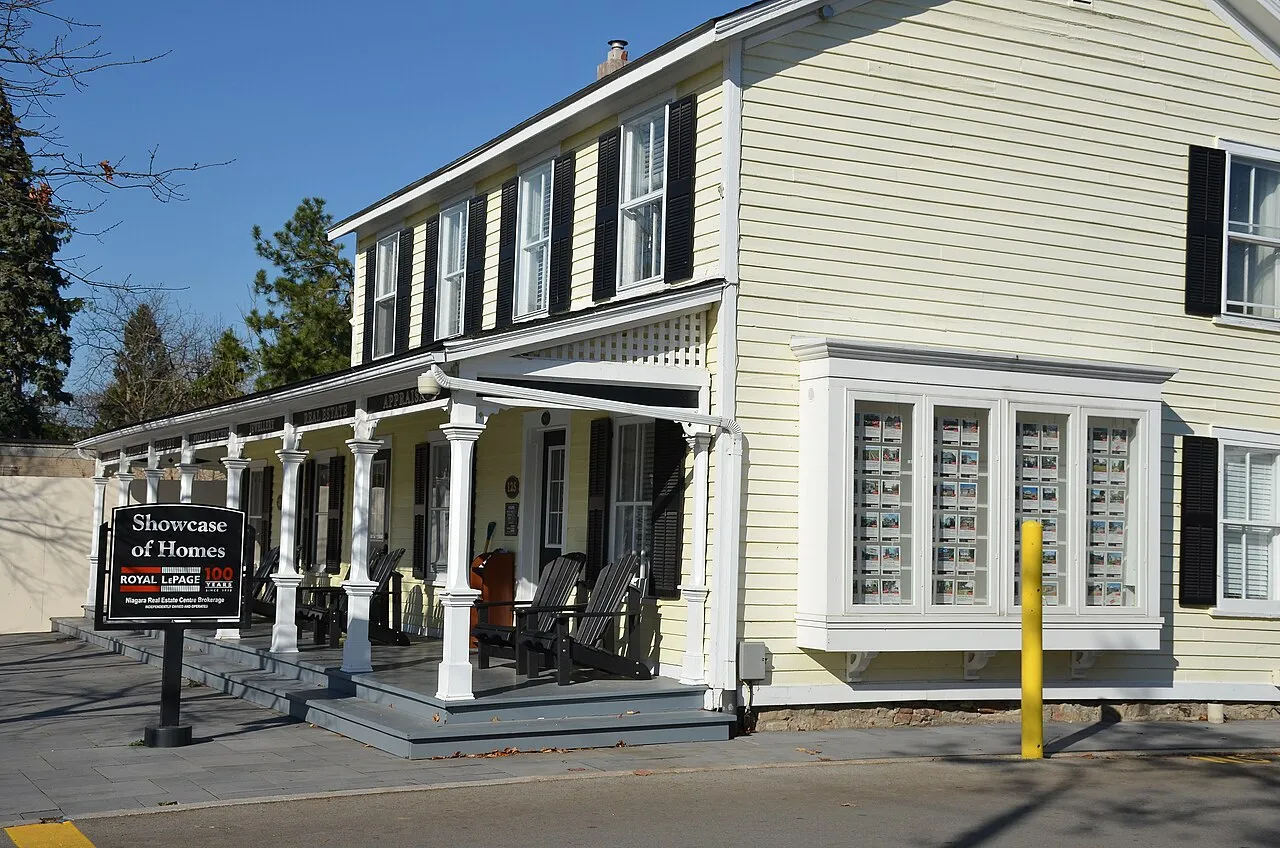
Illustrative photograph: Real estate brokerage in Niagara on the Lake (27860999156). It does not depict the hypothetical example. shankar s. from Poona (pune), India, India · CC BY 2.0 · Wikimedia Commons · CC BY 2.0