
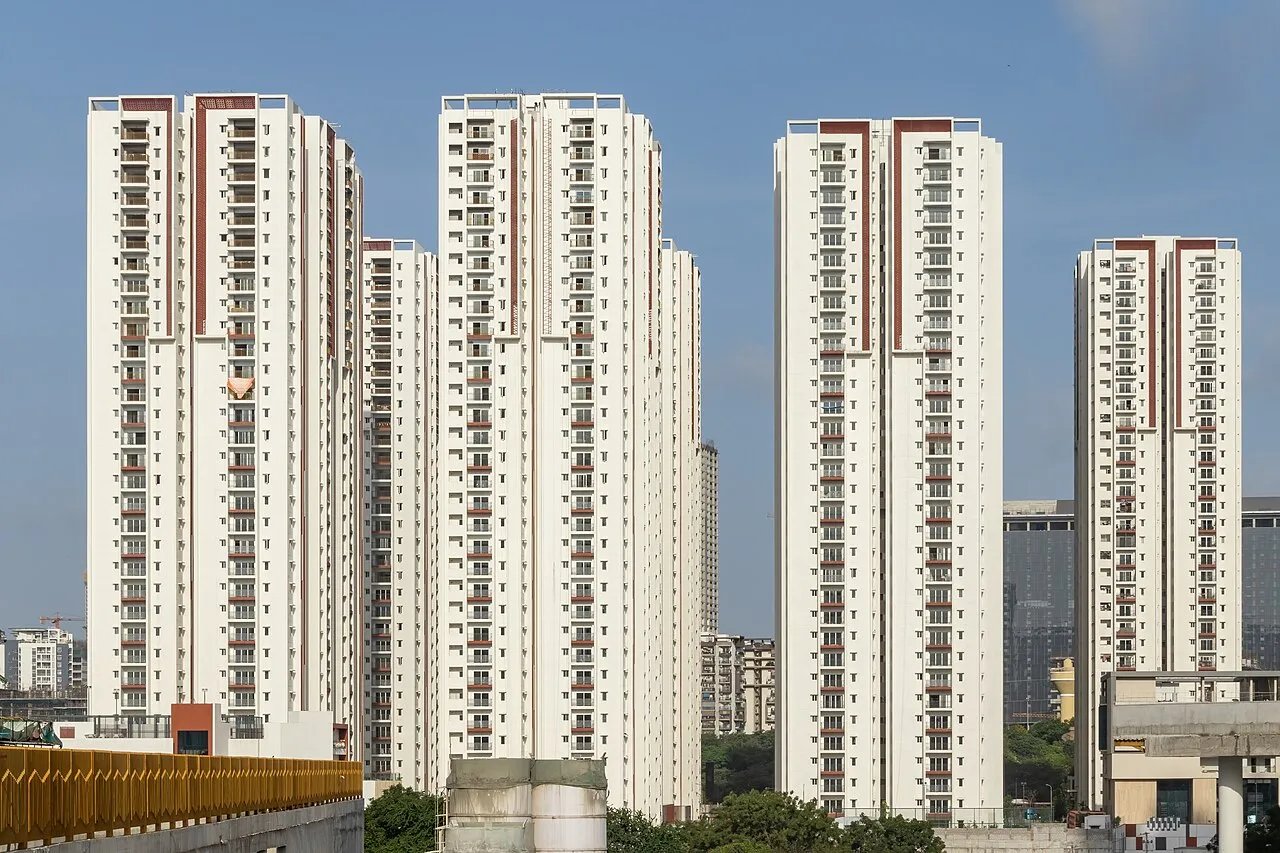
“A profile image should identify the person and support the article’s purpose without staging a generic property scene as if it were evidence.
The specific failure
Teams often choose a glossy building exterior or stock handshake for an article about a named realtor. The image may look polished, but it does not help readers recognize the subject, understand the setting or distinguish a real moment from promotional decoration. It can also obscure whether the organization has permission to use it.
A practical decision framework
Start with function: identification, evidence of activity, or atmosphere. For identification, choose a recent, recognizable portrait with the person’s consent. For an event or claim, choose a photograph that shows the relevant action and record who made it, when and where. Do not let a decorative image carry factual meaning. W3C distinguishes informative, decorative and functional image alternatives; the selection should make the same distinction.
A clearly hypothetical property example
Implementation and measurement
Keep an image record with subject consent, photographer, license, date, crop rights and alt-text draft. W3C says informative alternatives should convey essential information, while decorative images can have a null alternative. Measure article comprehension through internal review and image-related corrections, not clicks on the photograph alone.
Put it to work
- Decide whether the image identifies, proves or decorates.
- Record consent, creator, license and date before layout.
- Write alt text that matches the image’s actual function.
Sources and visual credits
Illustrative photograph: Aparna Zenon, Hyderabad - Symmetric framing of the high-rise apartment towers facade. It does not depict the hypothetical example. iMahesh · CC BY-SA 4.0 · Wikimedia Commons · CC BY-SA 4.0