
“Plain, time-stamped inventory labels turn availability from vague copy into a shared operating state.
Diagnose the specific failure
“Available” can mean available to view, reserve, contract, or merely present in an old feed. A reserved unit may remain live while an agent uses another spreadsheet. Record who verified the status, when, which unit it refers to, and what action the label allows.
A practical decision framework
Use a controlled vocabulary: available to view; available to reserve; reserved, confirmation pending; sold or let, removing; and awaiting confirmation. Put an “as of” date and unit identifier beside the label. Define each state and map it to a sales action. Never infer inventory from a photograph or stale portal feed.
A clearly hypothetical example
Implement and measure
Make status changes events without personal information in Analytics. Audit live pages and CRM against the source of truth on a fixed cadence. Measure stale-label incidents, correction time, and ambiguity questions. Do not present a lower incident count as a sales lift. If a state cannot be verified, pause the action rather than substituting a confident label; uncertainty is an operating state that needs an owner. Log the reason for every unverified state.
Put it to work
- Define every label and map it to one operational action.
- Display unit ID and verification date beside availability.
- Audit public page, CRM, and inventory source on a fixed cadence.
Sources and visual credits
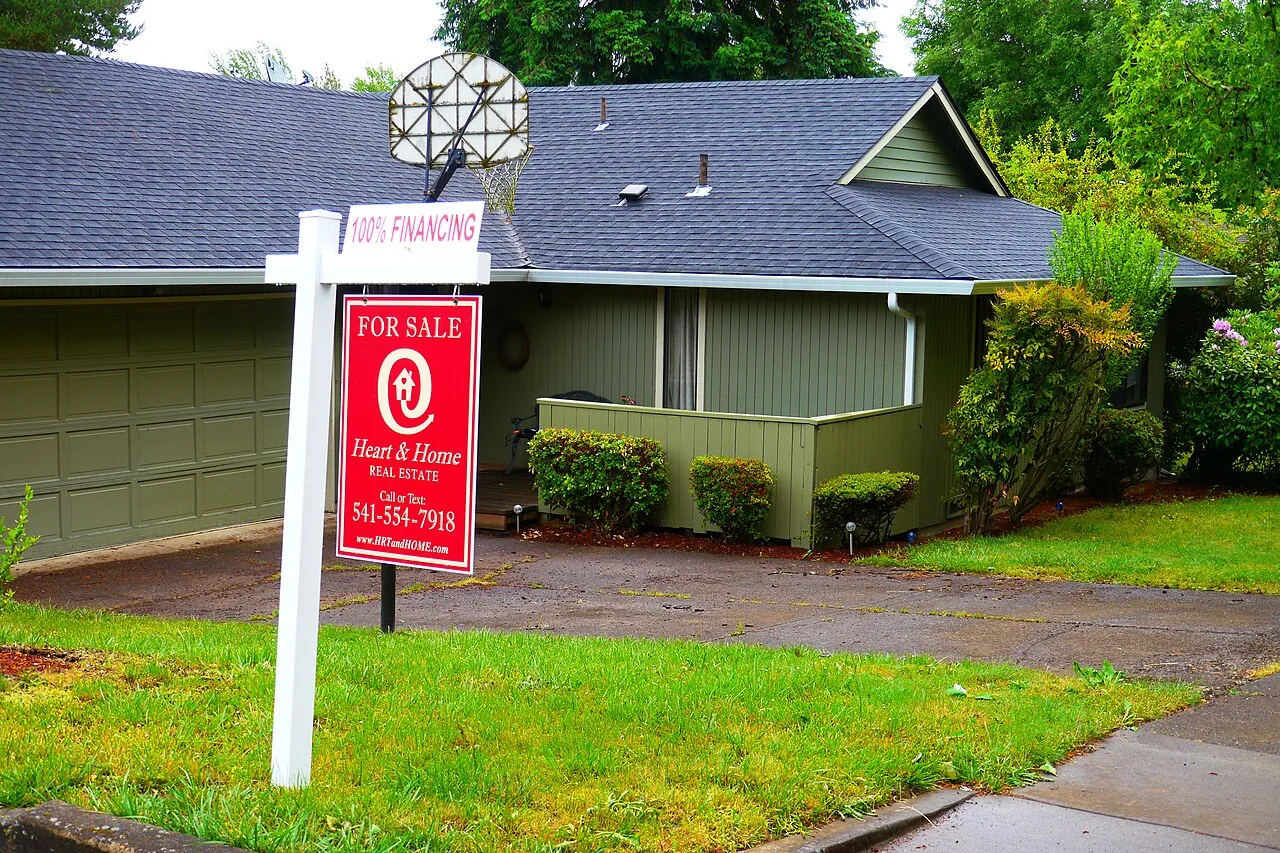
Illustrative photograph: Heart & Home Real Estate For Sale Sign. It does not depict the hypothetical example. Rick Obst · CC BY 2.0 · Wikimedia Commons · CC BY 2.0