
““Exclusive” only communicates something when the audience can see the mechanism, boundary, or evidence behind it.
Diagnosis
When every project is exclusive, the word stops distinguishing price, access, supply, service, or design. It can also imply scarcity or entitlement that the product does not offer. Repetition trains readers to discount the claim and makes more defensible distinctions—private entry, limited collection, managed service—harder to notice.
Decision framework
Ask: exclusive in what sense, for whom, through what rule, and for how long? Replace the adjective with the underlying proposition and disclose its boundary. If the answer is simply “it feels premium,” use a precise design or service description instead. A strong claim should be testable by a sales colleague and a buyer.
Hypothetical property example
Implementation and measurement
Create a claim ladder from observable fact to interpretation, and approve the narrowest wording that still helps. Search the portfolio for “exclusive” and require a proof note or replacement. Measure unsupported uses removed, buyer definitions of the word in interviews, and partner copy that reintroduces it. Precision does not remove aspiration; it gives the reader a reason to believe the narrower promise and a clear question to ask before proceeding.
Put it to work
- Ask “exclusive in what sense?” before approving the word.
- Name the mechanism and boundary behind scarcity or access.
- Audit partner copy for adjective drift.
Sources and visual credits
- Creating helpful, reliable, people-first content
- Trustworthiness in Web Design: 4 Credibility Factors
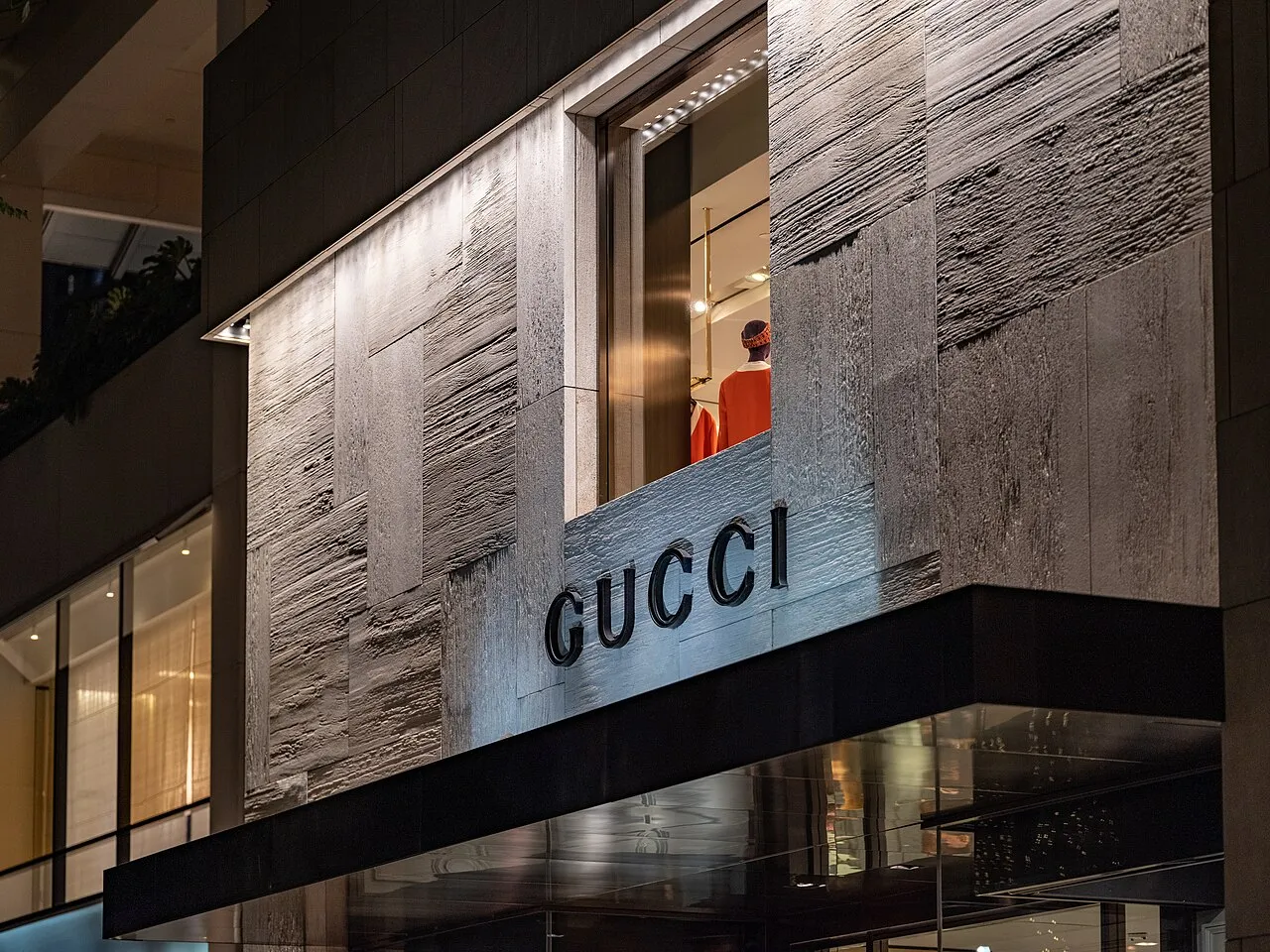
Illustrative photograph: Gucci Store at Luxury Row, Waikiki, Hawaii. It does not depict the hypothetical example. Tony Webster · CC BY 2.0 · Wikimedia Commons · CC BY 2.0