
“Review an AI-generated visual as a production asset with meaning, rights questions, and consistency requirements.
Review an AI-generated visual as a production asset with meaning, rights questions, and consistency requirements. An impressive first image is only a candidate; it must fit the brief and survive the intended crops, sizes, and publication context.
Approve a direction before generating volume
Specify subject, composition, lighting, and the relationship to the brand. Create a small comparison set and choose a direction deliberately. Generating a large collection without criteria can create more selection work while making the final visual family less coherent.
Inspect factual and structural details
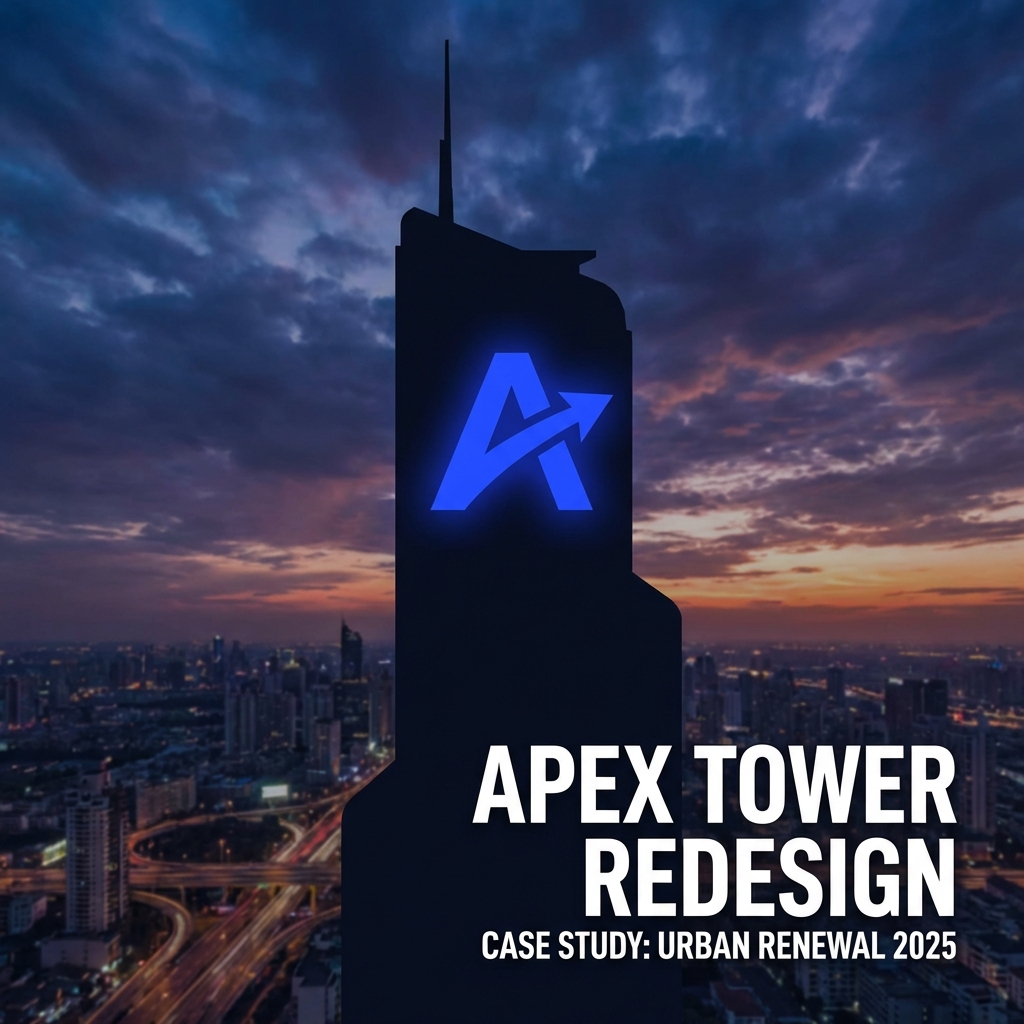
Check objects, architecture, text-like marks, hands, and any feature the audience may interpret as evidence. Avoid presenting an invented place or product as a photograph of something real. Label conceptual imagery where that distinction matters to the visitor’s decision.
Check provenance and permissions
Document the tool, supplied reference assets, and the review of applicable usage terms. Do not assume generation removes the need to examine likeness, trademarks, or licensed inputs. Escalate uncertain publication rights to an appropriate qualified reviewer before commercial release.
Prepare the final asset for its placements
Review color, sharpness, cropping, and repetition across the asset set. Remove accidental artifacts through a documented edit process. Keep the approved output and its usage notes together, and confirm that the visual supports the message rather than competing with required information.
Exercise: reject a beautiful image that misrepresents the brief
For a hypothetical campaign about a real craft process, compare an attractive generated workshop image with an approved photograph of the actual process. Inspect whether the generated tools, materials, and actions are plausible and whether viewers might mistake the scene for documentary evidence. If the campaign needs proof, choose authorized factual material. If it needs a conceptual illustration, label that role and remove details that falsely suggest a particular real workshop or completed client project.
Create a review record with separate entries for message fit, structural defects, input provenance, usage-term review, and final crop. Do not let visual appeal override an unresolved publication question. A selected conceptual output still needs treatment consistent with the campaign’s other assets. This exercise illustrates an approval decision rather than endorsing a particular generator, claiming automatic rights clearance, or suggesting that generated imagery is always a substitute for commissioned photography.
For a project that needs these decisions translated into working deliverables, explore Gameel’s print and graphic design services. Bring the existing materials and the specific task your audience needs to complete so the brief can be grounded in actual use.