
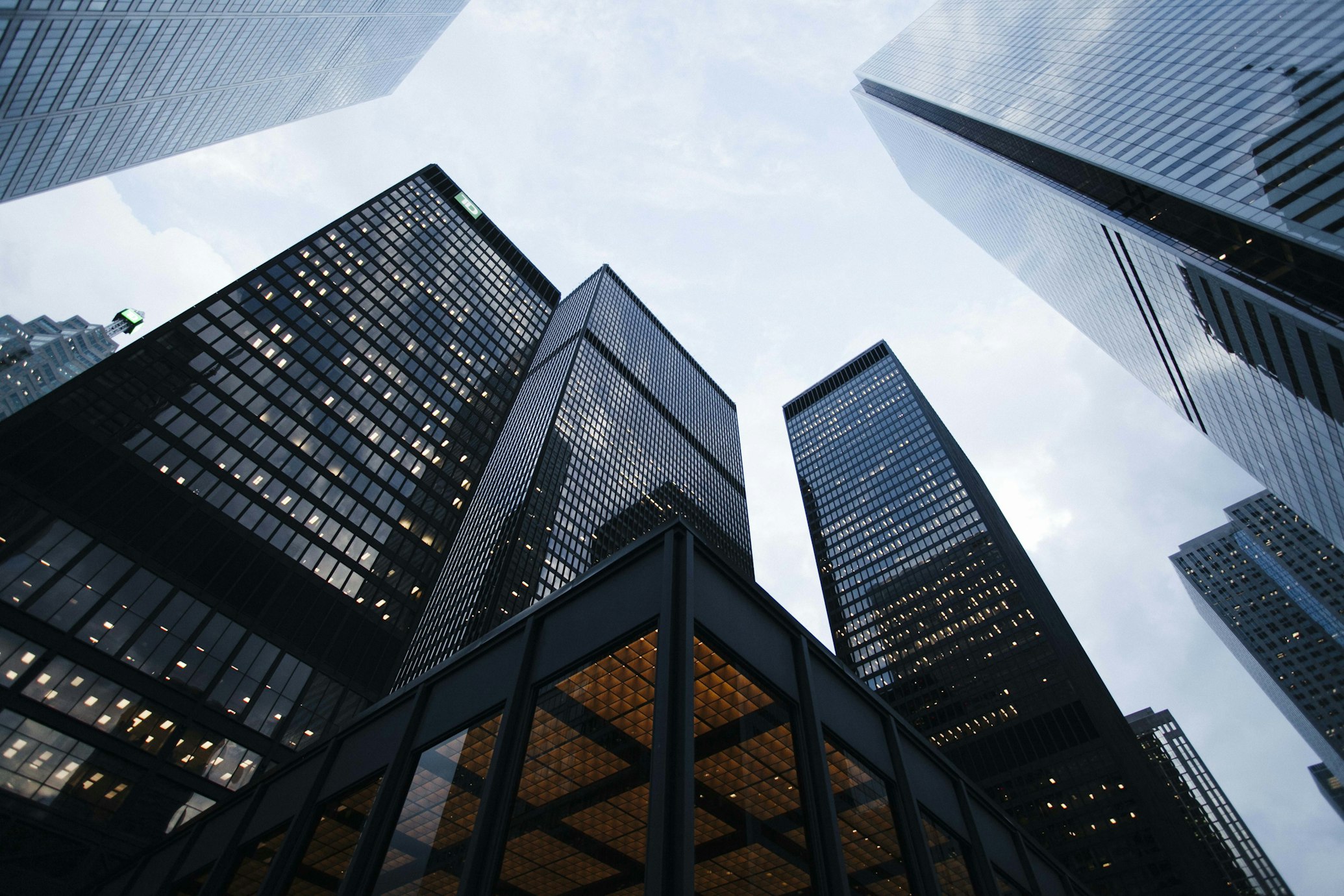
“استكشاف كيفية دمج العناصر المصرية التقليدية مع الجماليات الحديثة البسيطة لخلق هوية معمارية جديدة.
دمج العصور
البساطة في مصر لا تقتصر فقط على الجدران العارية والمساحات البيضاء. بل تتعلق بالعودة إلى جوهر الشكل والضوء. تاريخياً، كانت العمارة المصرية تهيمن عليها الهياكل الثقيلة والصلبة. اليوم، نرى تحولاً نحو تصاميم أخف وأكثر شفافية.
البساطة ليست غياباً، بل هي الحضور المثالي للضوء.
دور الضوء
في مشاريعنا الأخيرة، يخدم الضوء كمادة بناء أساسية. من خلال استخدام فتحات استراتيجية وواجهات زجاجية كبيرة، يمكننا التلاعب بالشمس المصرية القاسية وتحويلها إلى إضاءة ناعمة ومنتشرة.
المادية والملمس
نحن نبتعد عن الأسطح المصقولة والمعقمة للحداثة الغربية ونحتضن الملمس. الحجر المنحوت والمحارة المزخرفة ولمسات الخشب الدافئة ترسيخ الأشكال البسيطة في السياق المحلي.
#بساطة#مصر#إضاءة#خامات
Share Journal